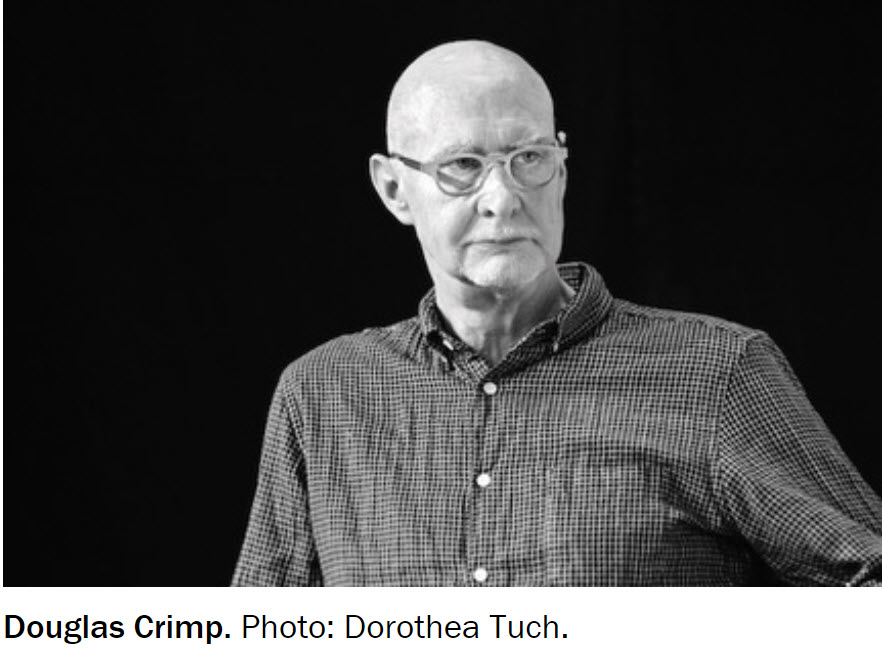
I’ve been struggling to relate my intended work with the film theorists, practitioners and examples provided in Part 1 of the module. I think this primarily because the focus has been on photography and film artists. My interest is sitting more in the narrative film area and so I decided to relook at Postmodernism from the perspective of mainstream film. Doughty and Etherington (2022) provide an excellent breakdown of the traits that are associated with Postmodernism.
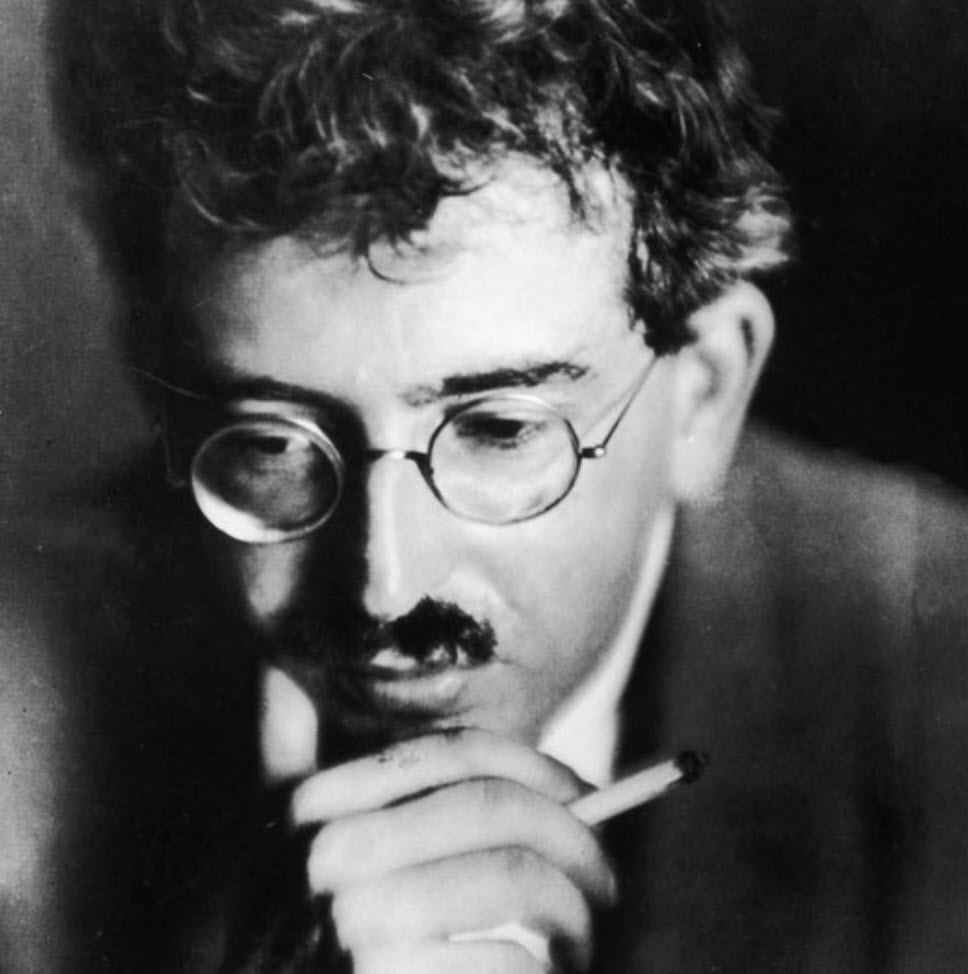
Jean-Francois Lyotard
These include the rejection of grand narratives, i.e., the big stories that influence what a society values and consequently finds acceptable, and the promotion of micronarratives that focus on smaller, more personal stories. Examples of films that deal with metanarratives include:
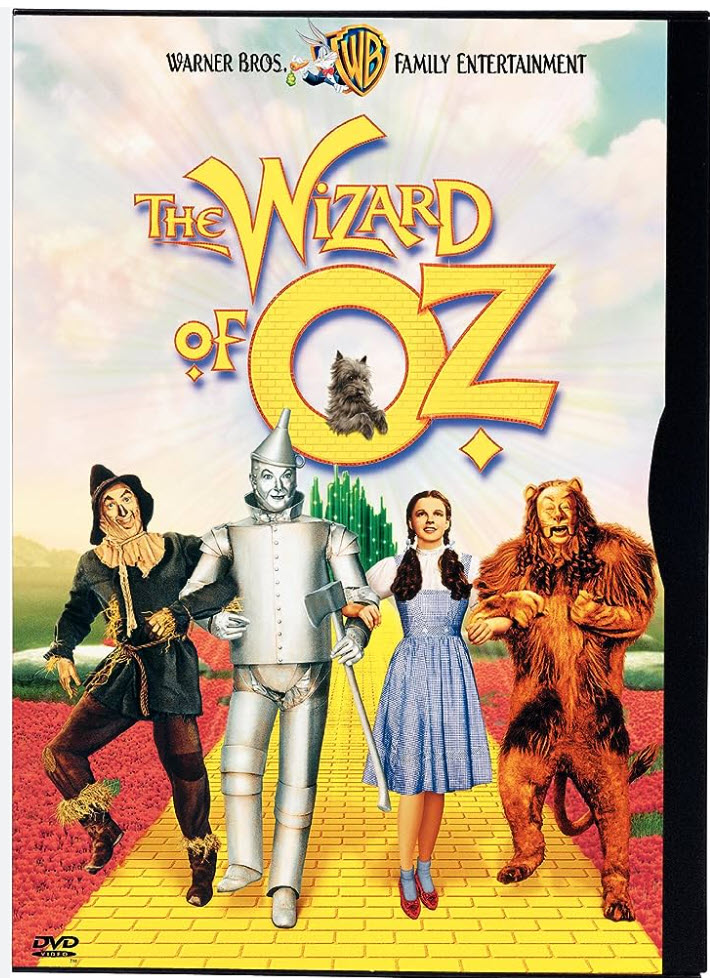
“The Wizard of Oz” (1939) – the story of Dorothy’s journey to the land of Oz, the characters she encounters and then finding her way home. This film may be interpreted as a metanarrative about the search for meaning and self-discovery, with each character she meets representing different aspects of human nature.
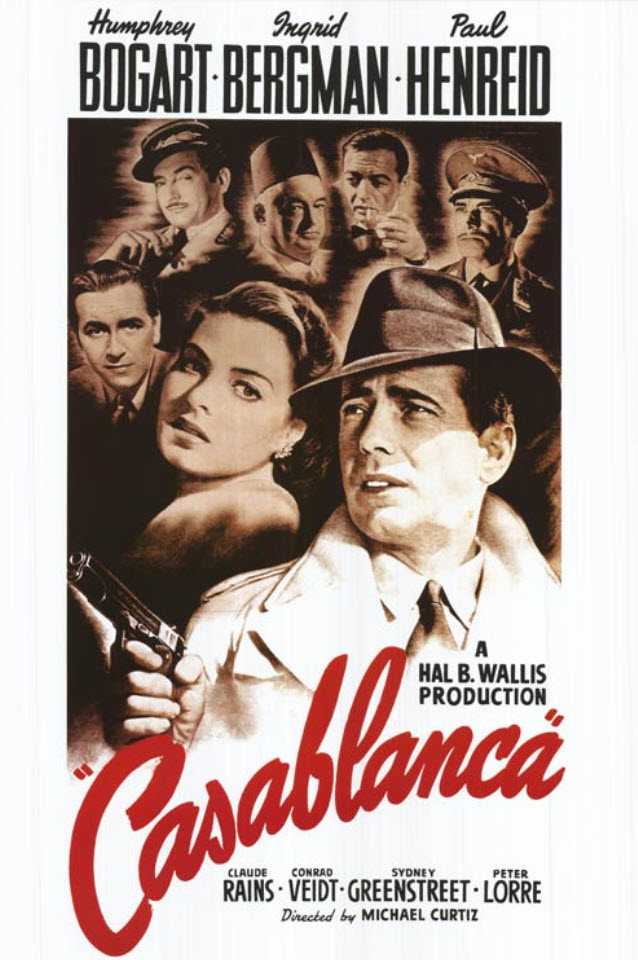
“Casablanca” (1942) – this film, set during World War II, could be seen as a metanarrative about the complexities of human relationships and the struggle between personal desires and moral obligations.
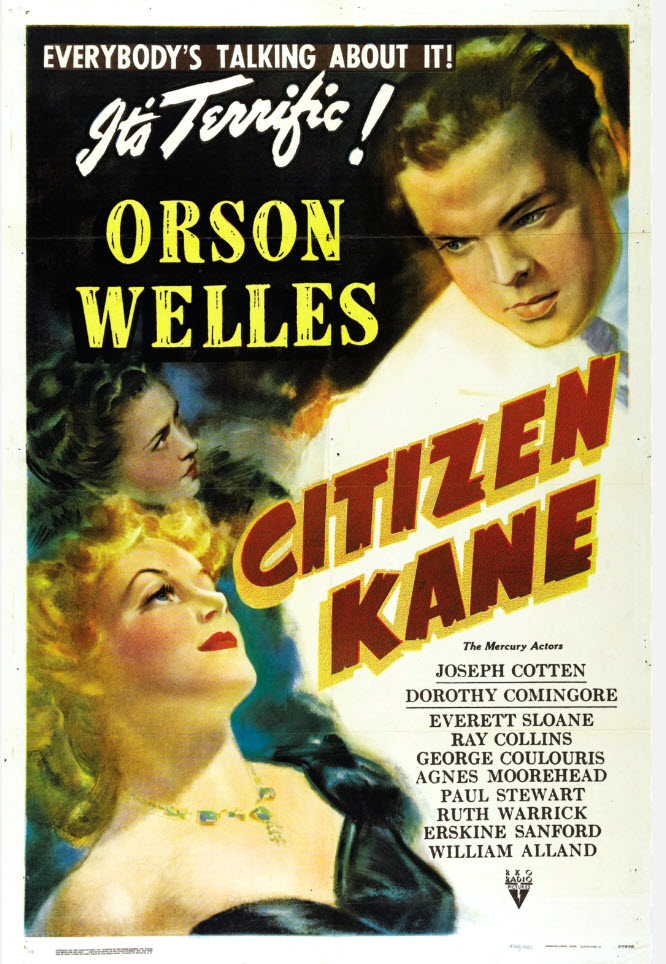
“Citizen Kane” (1941) – this film tells the story of the life of Charles Foster Kane. It may be seen as a metanarrative about the pursuit of power, wealth, and the emptiness that comes with it.
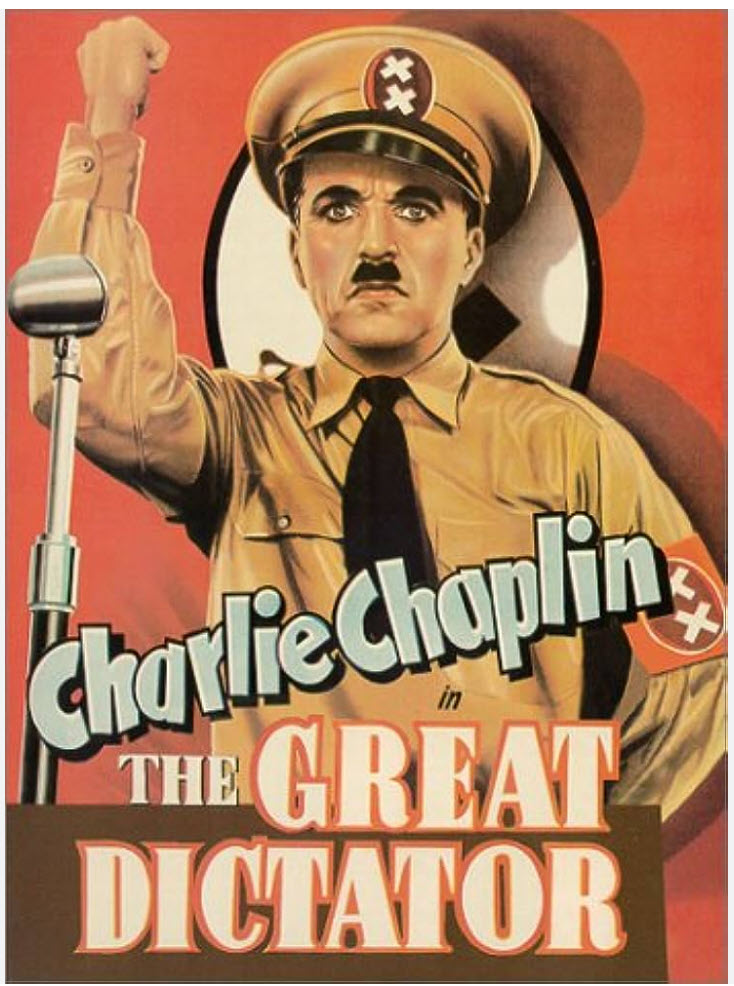
“The Great Dictator” (1940) – this is a Charlie Chaplin film set in World War II that may be seen as a metanarrative about the dangers of totalitarianism and the importance of democracy and human rights.
Jean-Francois Lyotard (1979) argued that society began to lose faith in the big narratives and epic tales because of their all-encompassing nature. Storytellers, including filmmakers, began to focus on smaller issues that affected smaller communities or individuals. Often these films can come across as more fragmented because of their non-linear structure and selective perspective. They may also come across as mundane as they focus on the small moments in life, instead of the epic events. Examples of postmodern micronarrative films include:

“Pulp Fiction” (1994) – this film contains multiple intersecting storylines and interconnected micronarratives.
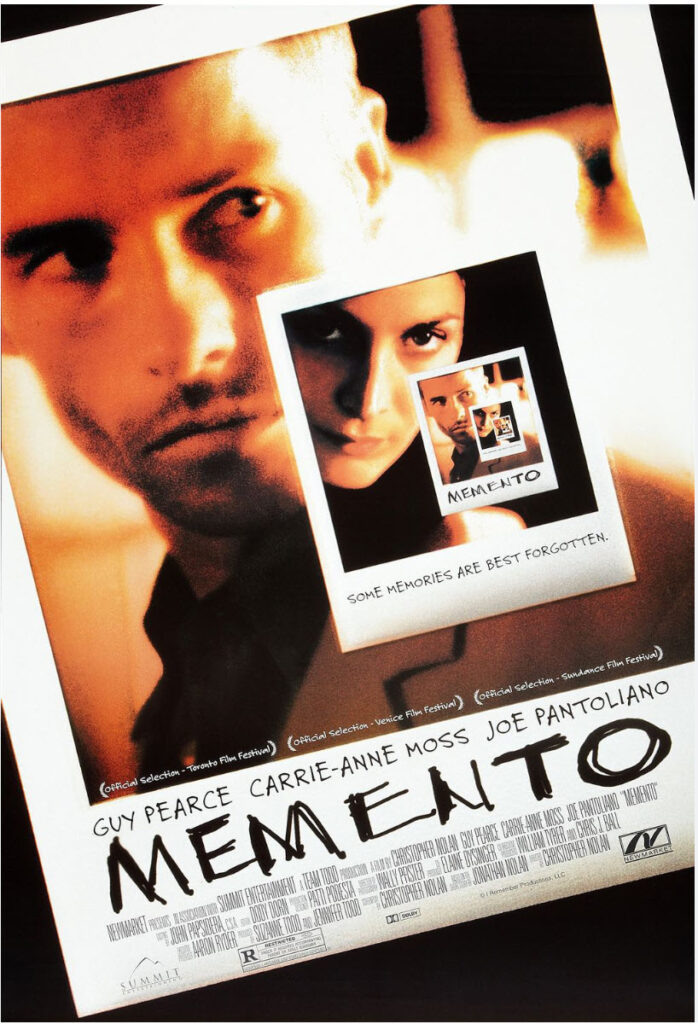
“Memento” (2000) – this film tells the story of a man with short-term memory loss who is trying to solve the mystery of who murdered his wife. The narrative happens in reverse order, forcing the audience to piece together the micronarratives at the same time as the main character.
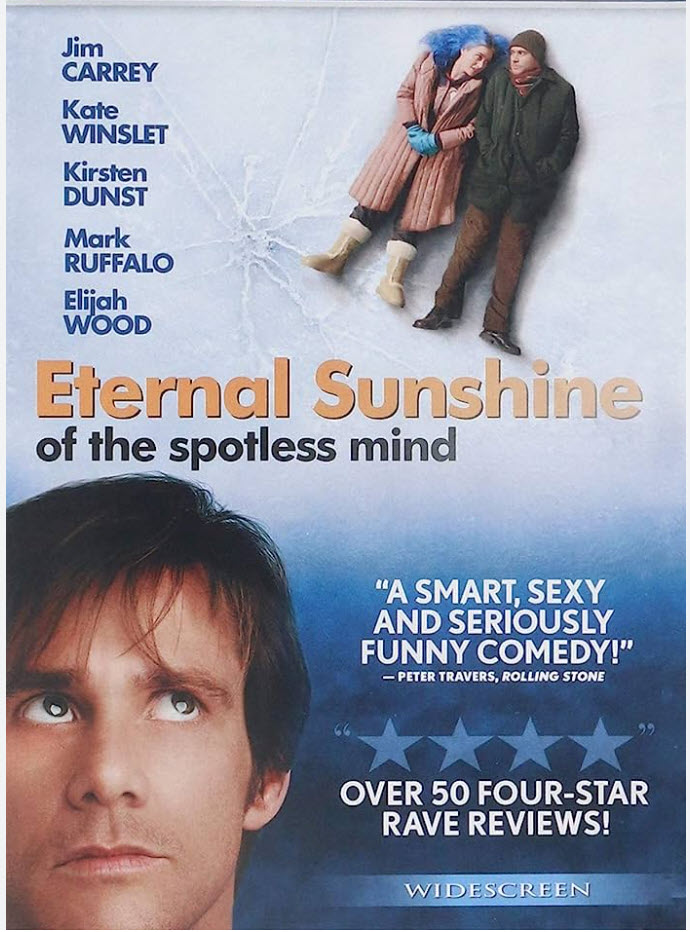
“Eternal Sunshine of the Spotless Mind” (2004) – this film depicts the fractured memories of a failed relationship. It portrays what’s happening in the protagonist’s mind as he undergoes a procedure to remove his memories. This weirdly presents micronarratives happening the character’s subconscious.
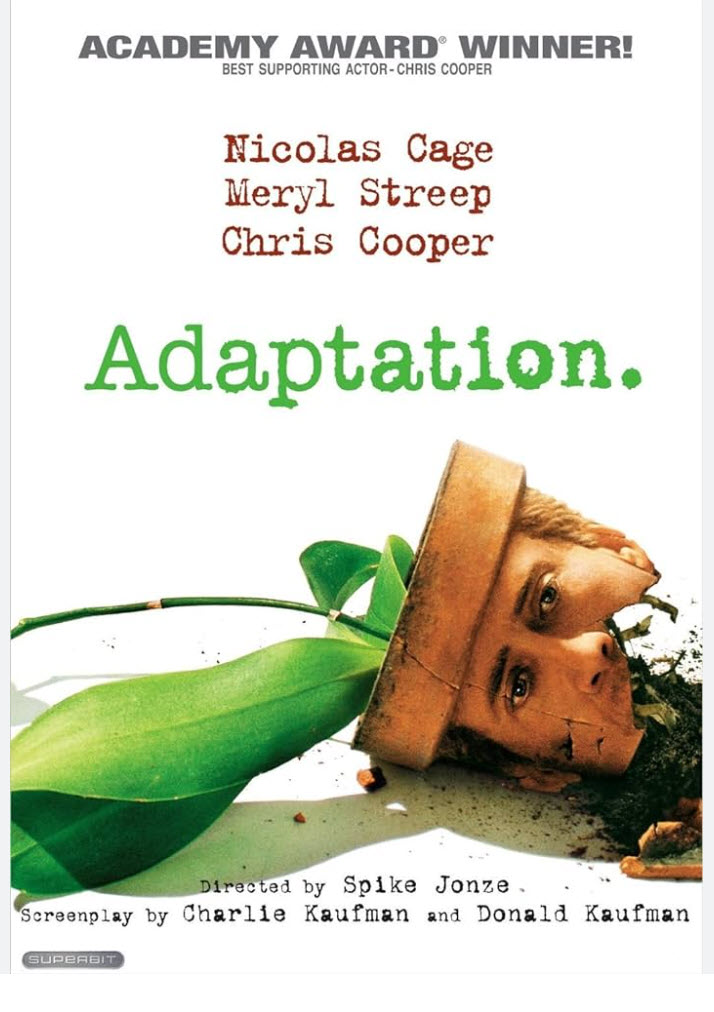
“Adaptation” (2002) – this film blurs the lines between reality and fiction. It follows a screenwriter’s struggle to adapt a nonfiction book into a screenplay, and at the same time is exploring the micronarratives of the writer’s life and creative process.
Relating this to my own film
Trying to relate the notions of meta- vs micronarratives to the film I intend to make, I have been trying to work out if the film has any metanarratives. Certainly, it will deal with issues such as security and safety, rule of law and cooperation between States, however these themes are not epic in the sense that Lyotard describes them but rather serve as the contextual backdrop. I would be inclined towards saying that my film will have micronarratives, each with learning objectives embedded in those micronarratives. I do believe that micronarratives enable, or even require, that the story be fragmented/incomplete which fits with what I need to achieve with regard to multiple learning objectives and a limited amount of time (the length of the film) to achieve those objectives. Nonetheless, considering that all the examples of postmodern films that I have given have non-linear timelines, I would need to consider if a non-linear timeline would work for my film or if the ambiguity that it may create would be counterproductive. This really does get me thinking about whether I will need to resolve the tension between achieving learning objectives and the structural integrity or novelty of the film.
Jean Baudrillard
A second idea that emerged from Postmodernism was forwarded by Jean Baudrillard (1981) who argued that in modern society, some ‘simulations’ have lost their link with the original reality. The example he gives is of Disneyland which is supposed to represent the small town America, except that what Disney has created, never existed. It is instead a romantised and fictionalised version of a town that now exists in its own right and on its own trajectory. Baudrillard’s calls this simulacra (copies without originals) and says that as a society we are now living in a situation where these simulacra are becoming more real and significant to the society than reality itself. He defined three orders of simulacra:
- First Order Simulacra: Faithful representations of reality, where the copy reflects an existing original.
- Second Order Simulacra: The copy starts to distort or deviate from the original, but there is still some connection or reference point.
- Third Order Simulacra: At this level, there is no connection to any original. It’s a complete simulation without any reference to reality. It is hyperreal and self-referential.
Baudrillard says that society has moved beyond the first two orders of simulacra and are increasingly immersed in the third order. The proliferation of media, advertising, and digital technologies has created a hyperreal environment where simulations are more compelling, persuasive, and influential than the reality they claim represent. This raises questions about the nature of reality and the role of representation in contemporary culture.
I tried to find examples of postmodernist films that represent the second and third order of simulacra. It turned out to be quite a subjective exercise. Both Blade Runner films – “Blade Runner” (1982) and “Blade Runner 2049” (2017) – could be either second or third order simulacra. If considered as second order, then I would argue that the world that is represented is meant to be a dystopian Los Angeles of the future, therefore the audience can relate to a known city and how it might be in some distant future. However, I think it is more likely a third order film as there is no certainly that the skyscrapers (unidentifiable, so far as I can tell), constant rain, technology and wide gap between the elites and the poor people are a certain future reality.
Relating this to my own film
There is an interesting dilemma for me and my film. I believe that the story environment of my film has to reflect the reality of the air traffic management environment to be credible as a learning tool. Nonetheless, for security and a whole load of other reasons, I cannot replicate a real air traffic control centre, so I will have to create a simulation of a real environment. I think the biggest concern is that I stray into third order simulacra and disconnect too much from reality. The temptation is likely to be that deviating from reality is a quick solution to either a logistical, technical or narrative dilemma. I will need to strike a balance between simulation and reality.
References:
Baudrillard, J. (1981). “The Precession of Simulacra.” In Simulations, pp. 1-42. Semiotext(e).
Chaplin, C. (Director). (1940). The Great Dictator [Film]. United Artists.
Curtiz, M. (Director). (1942). Casablanca [Film]. Warner Bros.
Doughty, R., & Etherington-Wright, C. (2022). Understanding Film Theory (2nd ed.). Bloomsbury.
Fleming, V. (Director). (1939). The Wizard of Oz [Film]. Metro-Goldwyn-Mayer.
Gondry, M. (Director), & Kaufman, C. (Writer). (2004). Eternal Sunshine of the Spotless Mind [Film]. Focus Features.
Jonze, S. (Director). (2002). Adaptation [Film]. Columbia Pictures.
Lyotard, J.-F. (1979). The Postmodern Condition: A Report on Knowledge. University of Minnesota Press.
Nolan, C. (Director). (2000). Memento [Film]. Summit Entertainment.
Scott, R. (Director). (1982). Blade Runner [Film]. Warner Bros.
Tarantino, Q. (Director). (1994). Pulp Fiction [Film]. Miramax Films.
Villeneuve, D. (Director). (2017). Blade Runner 2049 [Film]. Warner Bros.
Welles, O. (Director). (1941). Citizen Kane [Film]. RKO Pictures.