In this essay Crimp analyses the relationship between photography and the institutions that typical decide whether something should be considered ‘art’ or not.
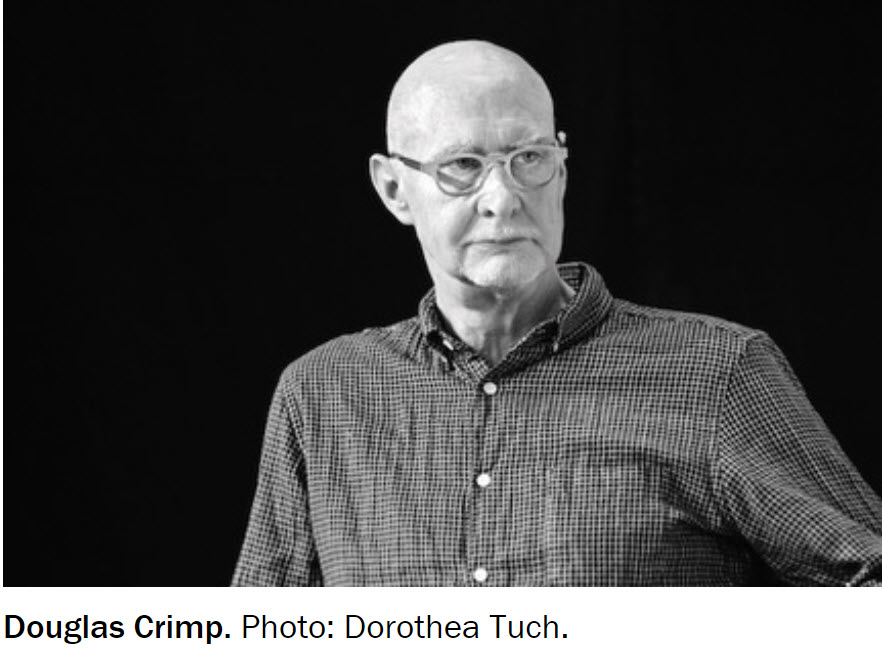
He argues that these institutions (e.g. museums and the writers of art history) only consider something to be a work of art when it is ‘absolutely unique and original’ (Crimp, 1980:94). These museums are not interested in reproductions. Instead, they believe that the ‘presence of the artists’ must somehow be detectable in the work as that is how it can be considered authentic.
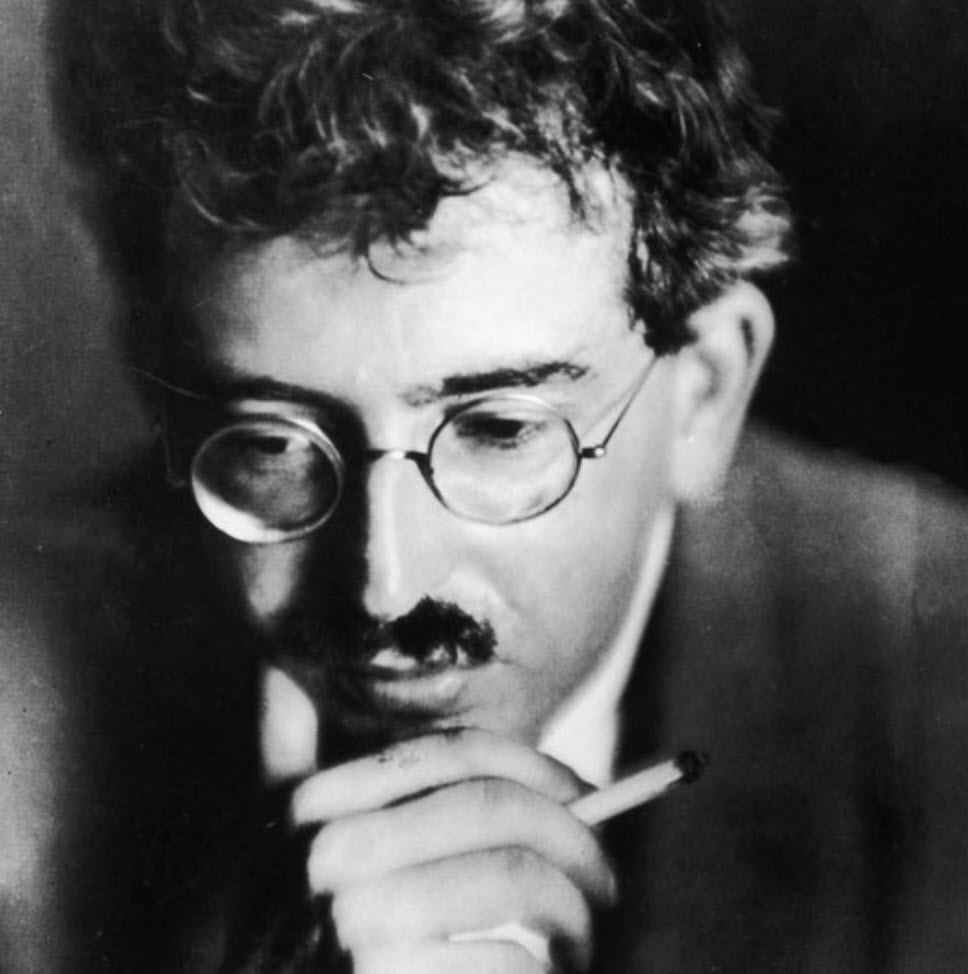
Walter Benjamin uses the example of the painting of the Mona Lisa to make the argument that mechanical reproduction depreciates the authenticity of a work of art, and it ends up losing its ‘aura’. Benjamin explains that the aura is explicitly linked with the presence of the original work of art and with the ‘uniqueness of the place in which it happens to be’ (Crimp, 1980:94). Photography is seen as the mechanism by which reproduction occurs.
Crimp counters that the post-modernist era is not about uniqueness and authenticity, but rather about the sharing and democratizing of art. With regard to Benjamin’s view on the loss of the Mona Lisa’s ‘aura’, Crimp puts forward that if we live in an age of reproduction, it is inevitable that this notion of ‘aura’ will be lost, and it is futile to pretend that it is possible for art to maintain its status as original and unique.
Crimp (1980:109-112) identifies three kinds of presence. The first is the presence that comes from an observer seeing the art such as performance art where the observer is necessary for the art to exist, the presence that comes from representation of the object that is now absent, and the presence of someone/something that goes beyond their physical presence (albeit at times using reproductive technology which add a further complexity of the second and third kind of presence actually being absent). Crimp claims that it is this third kind of presence that is associated with photography and postmodernism.
It is a bizarre relationship in that a photograph may copy a ‘work of art’ and what you are left with is the presence of a photograph, which is a copy of a thing that is now absent because that moment in time when the photograph is taken is now in the past.
Returning to the notion of art having an ‘aura’, and photography somehow diminishing this aura, Benjamin did acknowledge that the people in some photographs had an aura, but only those that were taken before 1850 and the onset of the commercialisation of photography. He ascribed this aura not to the presence of the photographer, who he saw as a technician, but rather the long exposure times and the fact that most people being photographed at that time would have been from the upper classes and that there was a ‘spark of chance’ that the photograph would capture some uncontrolled intrusion of the reality of the person. This was the opposite of how he saw the aura of painting, which he believed was created by the skills and techniques of the painter (Crimp, 1980:95).
Crimp discusses the works of postmodernist photographers how they questioned the museums assertions about authenticity, originality and aura. They claimed that their works displaced the aura. ‘These images are purloined, confiscated, appropriated, stolen. In their work the original cannot be located, is always differed’ (Crimp, 1993:98).
The essay gives a number of examples of this postmodernist approach to photography that explores the idea of displacing the aura. Sherrie Levine rephotographed photos that were originally taken by Edward Weston of his son. She took the photos from a poster of the published by the Witkin Gallery. One of the points she was trying to make with this exercise is that the absence of the original is what allows representation to take place and she had taken it to an extreme (Crimps, 1980:98). Personally, I find it hard to appreciate this work. Possibly the context does add some value, but at face value, it photographs of photographs without any creative input.
Overall, the essay was interesting because it elaborated a key difference between modernist and postmodernist approaches to art, and the influence that photography had on discussion of authenticity versus reproduction and the value that is placed on both.
I am struggling to relate this essay to my practice which is rooted in narrative film. The essay did make me think about what criteria my film would be measured against to determine if it had value; would it be based on its educational effectiveness, or its ability to entertain and tell and story.
Reference:
Crimp, D. (1980) ‘The Photographic Activity of Postmodernism’ In: October 15 pp.91–101.