Rhetoric of the image

Roland Barthes is a French philosopher who was heavily influenced by the structuralist linguistics of Ferdinand de Saussure.  Barthes begins his essay ‘Rhetoric of the image’ by pointing out that linguists don’t attribute the status of ‘language’ to all types of communication, using as an example the ‘language of bees’ or the ‘language of gesture’ because those kinds of communications do not work the same way that language by system of difference. He argues that while it is true that bees communicate, birds communicate and gestures are a way to communicate, they are not the same as language because language (according to linguists) works by virtue of an arbitrary relationship of the difference of the different signs. He then asks if images can they be analysed in the same way that language is analysed. Barthes cites two opposing views on this question; there are those who think that the image is an extremely rudimentary system in comparison with language, with the other side saying that images have an ‘ineffable richness’ that includes some signification, or some messages that mere language just cannot do justice to. Barthes writes that if the image is, in a way, the limit of meaning then it could be used to understand how signification works, it could help to answer questions about how does meaning get into the image and where does it end. For this essay, Barthes uses the structuralist concept of the signifier (the form of the image) and the signified (the concept or idea it represents) to analyze how images function as signs.

To do this, he uses an advertising image to explain this. The reason he uses the advertising image is because ‘the signification of the image is undoubtedly intentional; the signifieds of the advertising message are formed a priori by certain attributes of the product and these signifieds have to be transmitted as clearly as possible’ (Barthes, 1962,p 152). Meaning that when a business that sells the ingredients of pasta dinner creates an advert for its products, it intends for you to think positively about pasta dinners and to associate that particular brand with good pasta dinners.

He notes four different signs that can be found in the image:

  • the first is the idea of someone returning from the market, giving the feeling of freshness produce and domestic preparation. This is achieved by depicting a net bag one with canned goods, plastic wrapped pasta along with fresh items (tomatoes, peppers, mushrooms, onions) tipping out of the bag as if it has been place on a kitchen table when arriving home.
  • the second sign is the one produced by the colours of the tomato, pepper and the colours green, yellow and red reminding the viewer of the Italian flag. Yet again to remind the viewer of the image’s Italianicity. This is supported by the Italian sounding brand name ‘Panzani’.
  • the third sign is the sense of a completely natural cooking experience. By combining natural products with the Panzani packaged products, it introduces the idea that Panzani products are as ‘natural’ as the tomatoes, peppers and onions.
  • the fourth sign comes from the way the image is composed. It reminds the viewer of the countless still life painting of idyllic kitchen and food scenes

Barthes also points out that several of the signified objects in the image are iconic, so unlike the arbitrary connection between the signifier ‘dog’ and the four-legged canine, the relationship between a photo of a tomato and a real tomato is not arbitrary but analogical, so there is no need to make any connection. This is where Barthes believes the relationship between language, or a ‘true sign system’ and the image breaks down because unlike language which is a system of signs with a code, images present a message without a code. Consequently, in order to read this level of the image all that is needed is the knowledge of the objects. However, he also recalls that what the eye sees can be interpreted in many different ways depending on who the viewer is.  

He concludes that the image presents us with three different messages; the linguistic message which we resolve according to the code by which we understand language, and two iconic codes, the first one (the denoted image) in which a picture of a tomato represents a tomato, and a second one which is the iconic cultural message (the symbolic message) that allows us to understand that the bag, its contents and its colours are to be understood as having Italianicity.

The linguistic message

Barthes points out that the first message the image displays is linguistic, referring to the caption of the image and the labels on the food products. The picture does not appear to have the caption but it would seem that that the caption that goes with the image is in French and basically says it’s pasta and sauces. It is Italian food products being advertised in French magazines. The linguistic message is twofold; it denotates food products and connotates a sense of ‘Italianicity’.

Barthes explains that the linguistic message can serve as an anchor for the image. Anchorage can guide or limit the interpretation of the image. It serves to direct the viewer’s attention, explain the intended message, or provide specific information about the image. This anchorage can also have the effect of reducing the range of interpretations a viewer may have of an image. It can do this by stating certain facts or ideas.

In addition to limiting interpretation, the linguistic message can also be used to expand on what is in the image, for example through context or background information.

Barthes points out that an image is not a standalone entity but is part of the bigger semiotic system. Consequently, the linguistic message also interacts with the image’s denotation (literal meaning) and connotation (symbolic associations) to construct the overall meaning of the image.

The denoted image

The denoted image refers to what is immediately visible. It is the most basic and straightforward interpretation and usually refers to objects, people, places, or scenes. When describing the denoted image the viewer would typically identifying objects, their shapes, sizes, colours, spatial relationships, without trying to interpret any addition meaning.

A denoted image can be understood by anyone from any background; for example, a photograph of an apple would denote the image of an actual apple, and this understanding would be mostly consistent across cultures.

For Barthes, the denoted image is the foundational layer of meaning in the semiotic system. Additional layers such as connotation are built on top of the denoted image. While the denoted image deals with the objective, concrete elements, connotation is concerned with how the image is interpreted by the viewer and therefore is influenced by culture.

The symbolic message

The “symbolic message” refers to the meaning of an image that goes beyond what is denotated and connotated. The symbolic message involves the understanding of the symbols in image that convey deeper meanings. Like the denoted and connoted parts of an image, the symbolic message is the key part of semiotic analysis because it is concerned with how signs and symbols convey meaning.

These meanings are not always obvious and often need a deeper level of interpretation because they represent things like values and beliefs. This is why symbols in images have cultural significance and are understood only within that specific cultural context. Different cultures may interpret the same symbol differently, and at the same time viewers will also add their won subjective interpretation based on their background.

The symbolic message adds complexity to an image’s interpretation. One image can contain multiple symbols, each with its own set of connotations and meanings. These symbols may interact with each other to create a layered and nuanced message.

Barthes “Rhetoric of the Image” explores the complexity of visual communication and the ways in which images convey meaning through various layers of interpretation and the interplay of signs and symbols.

Reference:

Barthes, R. (1964). Rhetoric of the Image. In Image – Music – Text, Stephen Heath. 1977. 32-51, Hill and Wang.
Postmodernism in narrative film

I’ve been struggling to relate my intended work with the film theorists, practitioners and examples provided in Part 1 of the module. I think this primarily because the focus has been on photography and film artists. My interest is sitting more in the narrative film area and so I decided to relook at Postmodernism from the perspective of mainstream film. Doughty and Etherington (2022) provide an excellent breakdown of the traits that are associated with Postmodernism.

Jean-Francois Lyotard

These include the rejection of grand narratives, i.e., the big stories that influence what a society values and consequently finds acceptable, and the promotion of micronarratives that focus on smaller, more personal stories. Examples of films that deal with metanarratives include:

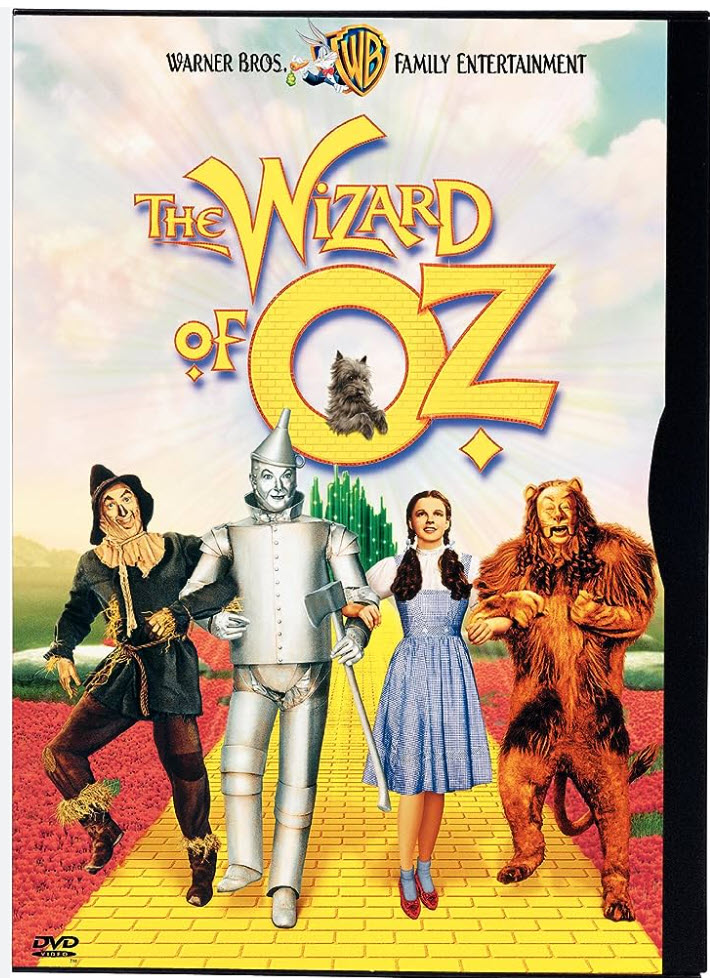
“The Wizard of Oz” (1939) – the story of Dorothy’s journey to the land of Oz, the characters she encounters and then finding her way home. This film may be interpreted as a metanarrative about the search for meaning and self-discovery, with each character she meets representing different aspects of human nature.

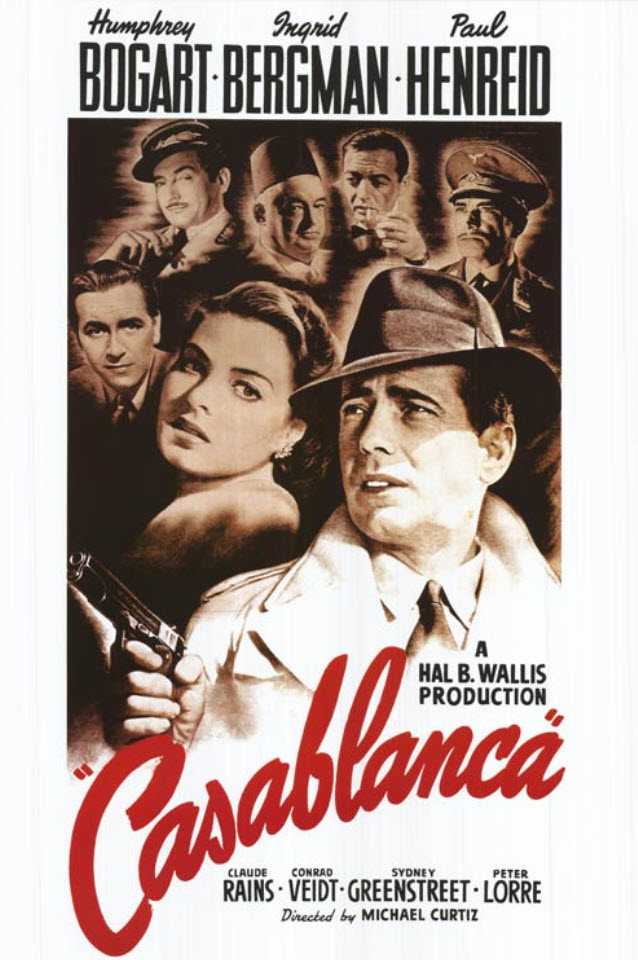
“Casablanca” (1942) – this film, set during World War II, could be seen as a metanarrative about the complexities of human relationships and the struggle between personal desires and moral obligations.

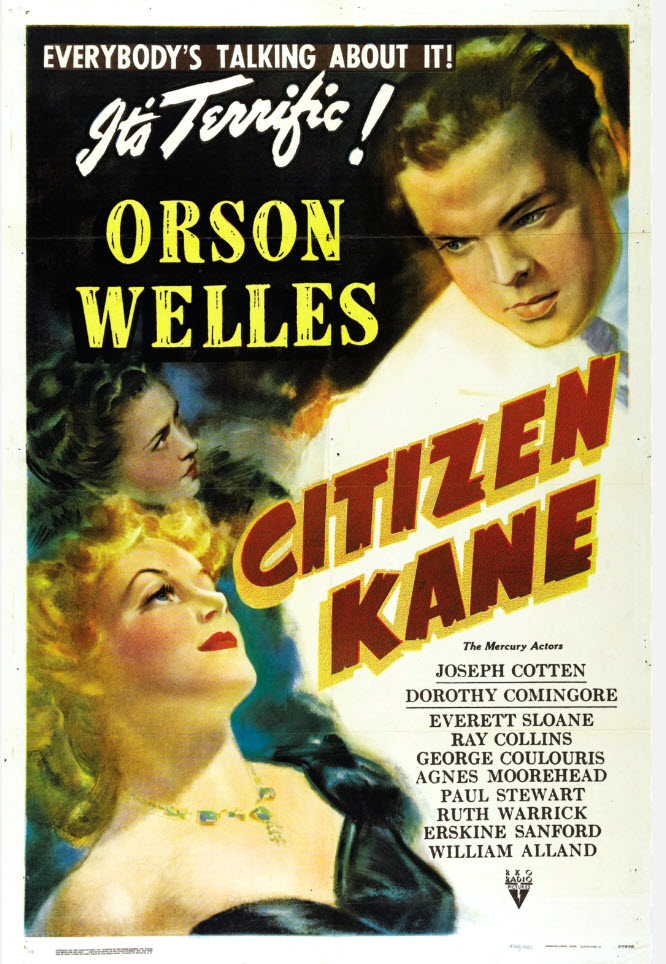
“Citizen Kane” (1941) – this film tells the story of the life of Charles Foster Kane. It may be seen as a metanarrative about the pursuit of power, wealth, and the emptiness that comes with it.

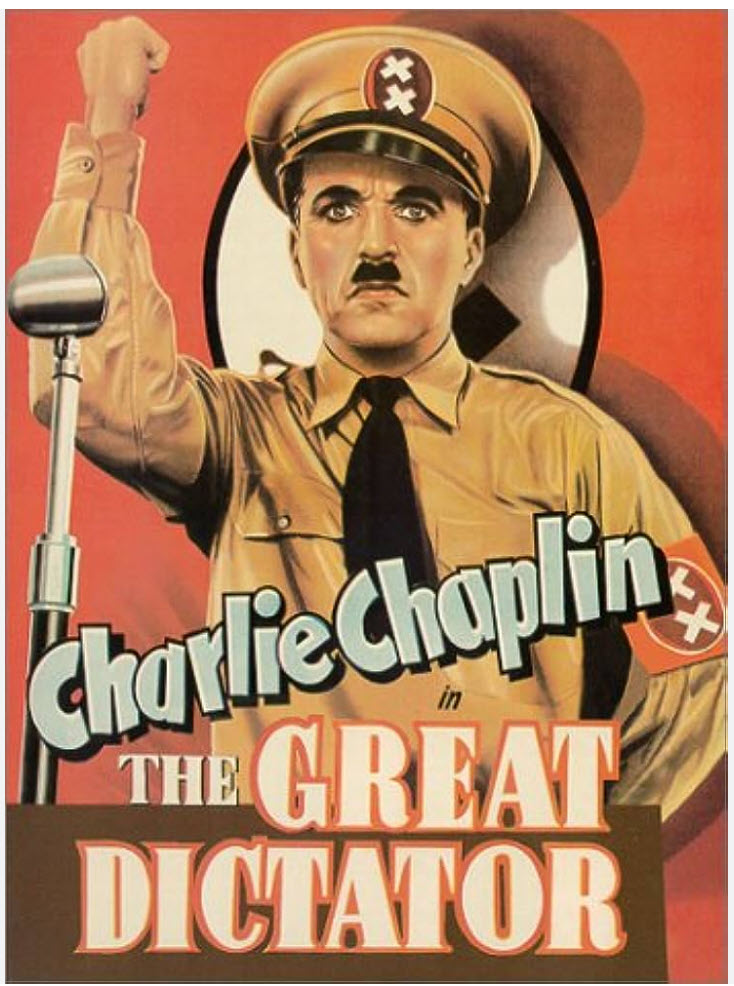
“The Great Dictator” (1940) – this is a Charlie Chaplin film set in World War II that may be seen as a metanarrative about the dangers of totalitarianism and the importance of democracy and human rights.

Jean-Francois Lyotard (1979) argued that society began to lose faith in the big narratives and epic tales because of their all-encompassing nature. Storytellers, including filmmakers, began to focus on smaller issues that affected smaller communities or individuals. Often these films can come across as more fragmented because of their non-linear structure and selective perspective. They may also come across as mundane as they focus on the small moments in life, instead of the epic events. Examples of postmodern micronarrative films include:

“Pulp Fiction” (1994) – this film contains multiple intersecting storylines and interconnected micronarratives.

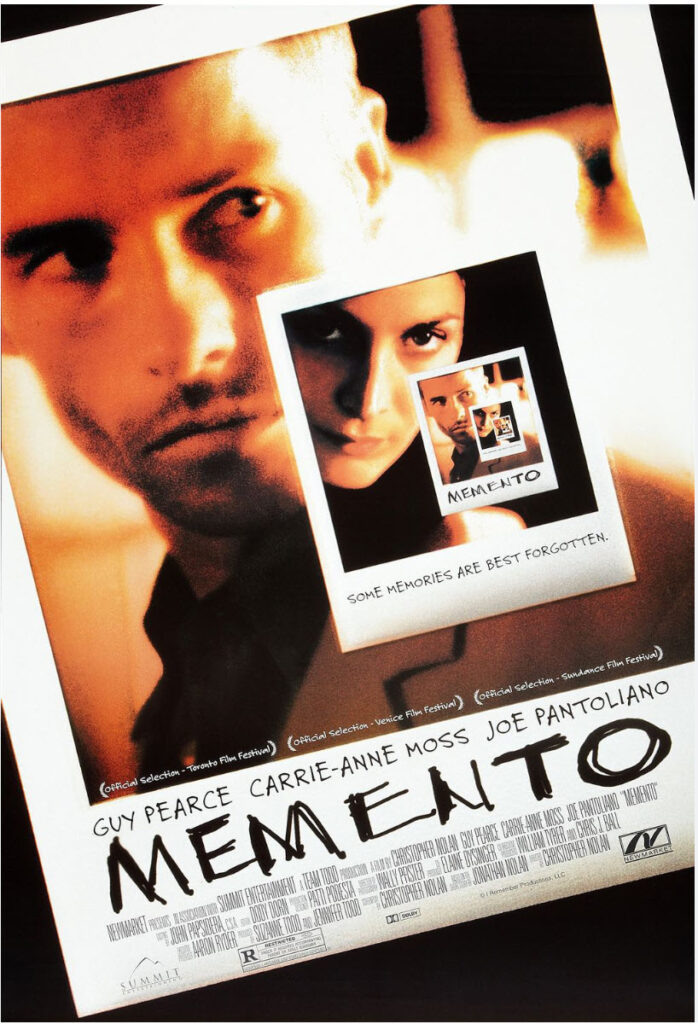
“Memento” (2000) – this film tells the story of a man with short-term memory loss who is trying to solve the mystery of who murdered his wife. The narrative happens in reverse order, forcing the audience to piece together the micronarratives at the same time as the main character.

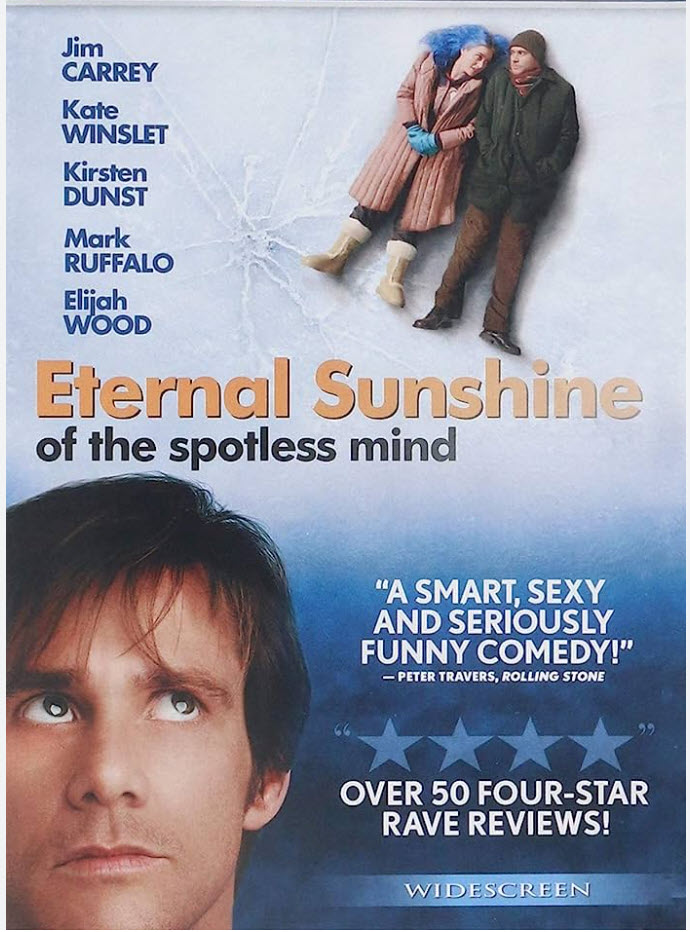
“Eternal Sunshine of the Spotless Mind” (2004) – this film depicts the fractured memories of a failed relationship. It portrays what’s happening in the protagonist’s mind as he undergoes a procedure to remove his memories. This weirdly presents micronarratives happening the character’s subconscious.

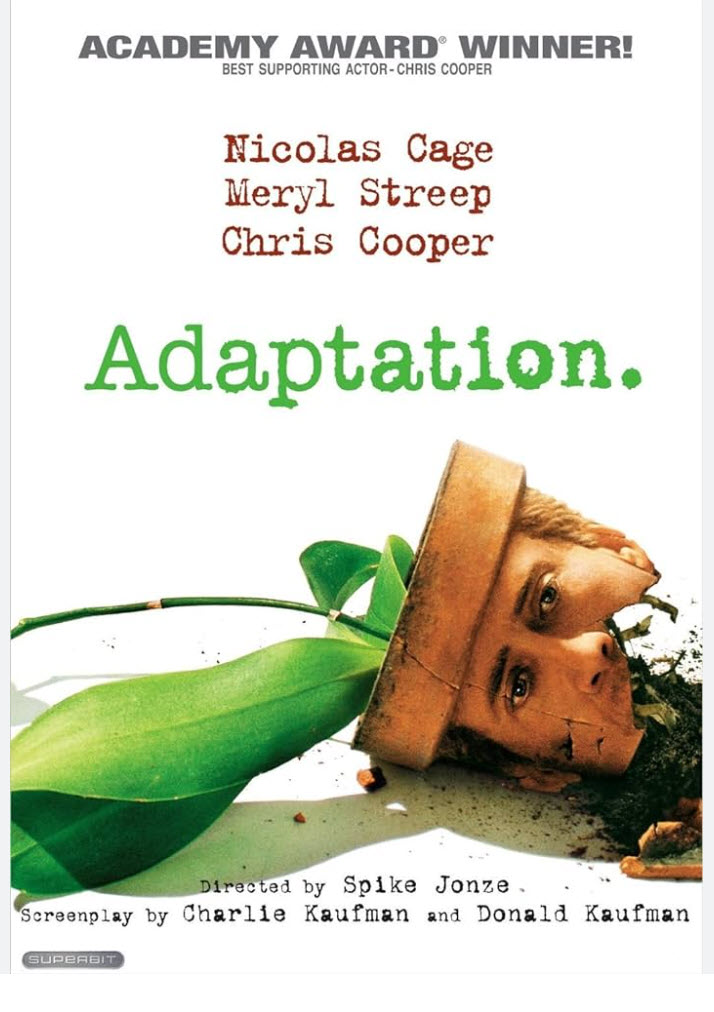
“Adaptation” (2002) – this film blurs the lines between reality and fiction. It follows a screenwriter’s struggle to adapt a nonfiction book into a screenplay, and at the same time is exploring the micronarratives of the writer’s life and creative process.

Relating this to my own film

Trying to relate the notions of meta- vs micronarratives to the film I intend to make, I have been trying to work out if the film has any metanarratives. Certainly, it will deal with issues such as security and safety, rule of law and cooperation between States, however these themes are not epic in the sense that Lyotard describes them but rather serve as the contextual backdrop. I would be inclined towards saying that my film will have micronarratives, each with learning objectives embedded in those micronarratives. I do believe that micronarratives enable, or even require, that the story be fragmented/incomplete which fits with what I need to achieve with regard to multiple learning objectives and a limited amount of time (the length of the film) to achieve those objectives. Nonetheless, considering that all the examples of postmodern films that I have given have non-linear timelines, I would need to consider if a non-linear timeline would work for my film or if the ambiguity that it may create would be counterproductive. This really does get me thinking about whether I will need to resolve the tension between achieving learning objectives and the structural integrity or novelty of the film.

Jean Baudrillard

A second idea that emerged from Postmodernism was forwarded by Jean Baudrillard (1981) who argued that in modern society, some ‘simulations’ have lost their link with the original reality. The example he gives is of Disneyland which is supposed to represent the small town America, except that what Disney has created, never existed. It is instead a romantised and fictionalised version of a town that now exists in its own right and on its own trajectory. Baudrillard’s calls this simulacra (copies without originals) and says that as a society we are now living in a situation where these simulacra are becoming more real and significant to the society than reality itself.  He defined three orders of simulacra:

  1. First Order Simulacra: Faithful representations of reality, where the copy reflects an existing original.
  2. Second Order Simulacra: The copy starts to distort or deviate from the original, but there is still some connection or reference point.
  3. Third Order Simulacra: At this level, there is no connection to any original. It’s a complete simulation without any reference to reality. It is hyperreal and self-referential.

Baudrillard says that society has moved beyond the first two orders of simulacra and are increasingly immersed in the third order. The proliferation of media, advertising, and digital technologies has created a hyperreal environment where simulations are more compelling, persuasive, and influential than the reality they claim represent. This raises questions about the nature of reality and the role of representation in contemporary culture.

I tried to find examples of postmodernist films that represent the second and third order of simulacra. It turned out to be quite a subjective exercise. Both Blade Runner films – “Blade Runner” (1982) and “Blade Runner 2049” (2017) – could be either second or third order simulacra. If considered as second order, then I would argue that the world that is represented is meant to be a dystopian Los Angeles of the future, therefore the audience can relate to a known city and how it might be in some distant future. However, I think it is more likely a third order film as there is no certainly that the skyscrapers (unidentifiable, so far as I can tell), constant rain, technology and wide gap between the elites and the poor people are a certain future reality.

Relating this to my own film

There is an interesting dilemma for me and my film. I believe that the story environment of my film has to reflect the reality of the air traffic management environment to be credible as a learning tool. Nonetheless, for security and a whole load of other reasons, I cannot replicate a real air traffic control centre, so I will have to create a simulation of a real environment. I think the biggest concern is that I stray into third order simulacra and disconnect too much from reality. The temptation is likely to be that deviating from reality is a quick solution to either a logistical, technical or narrative dilemma. I will need to strike a balance between simulation and reality.

References:

Baudrillard, J. (1981). “The Precession of Simulacra.” In Simulations, pp. 1-42. Semiotext(e).

Chaplin, C. (Director). (1940). The Great Dictator [Film]. United Artists.

Curtiz, M. (Director). (1942). Casablanca [Film]. Warner Bros.

Doughty, R., & Etherington-Wright, C. (2022). Understanding Film Theory (2nd ed.). Bloomsbury.

Fleming, V. (Director). (1939). The Wizard of Oz [Film]. Metro-Goldwyn-Mayer.

Gondry, M. (Director), & Kaufman, C. (Writer). (2004). Eternal Sunshine of the Spotless Mind [Film]. Focus Features.

Jonze, S. (Director). (2002). Adaptation [Film]. Columbia Pictures.

Lyotard, J.-F. (1979). The Postmodern Condition: A Report on Knowledge. University of Minnesota Press.

Nolan, C. (Director). (2000). Memento [Film]. Summit Entertainment.

Scott, R. (Director). (1982). Blade Runner [Film]. Warner Bros.

Tarantino, Q. (Director). (1994). Pulp Fiction [Film]. Miramax Films.

Villeneuve, D. (Director). (2017). Blade Runner 2049 [Film]. Warner Bros.

Welles, O. (Director). (1941). Citizen Kane [Film]. RKO Pictures.

The Photographic Activity of Postmodernism (1980) – Douglas Crimp

In this essay Crimp analyses the relationship between photography and the institutions that typical decide whether something should be considered ‘art’ or not.

He argues that these institutions (e.g. museums and the writers of art history) only consider something to be a work of art when it is ‘absolutely unique and original’ (Crimp, 1980:94). These museums are not interested in reproductions. Instead, they believe that the ‘presence of the artists’ must somehow be detectable in the work as that is how it can be considered authentic.

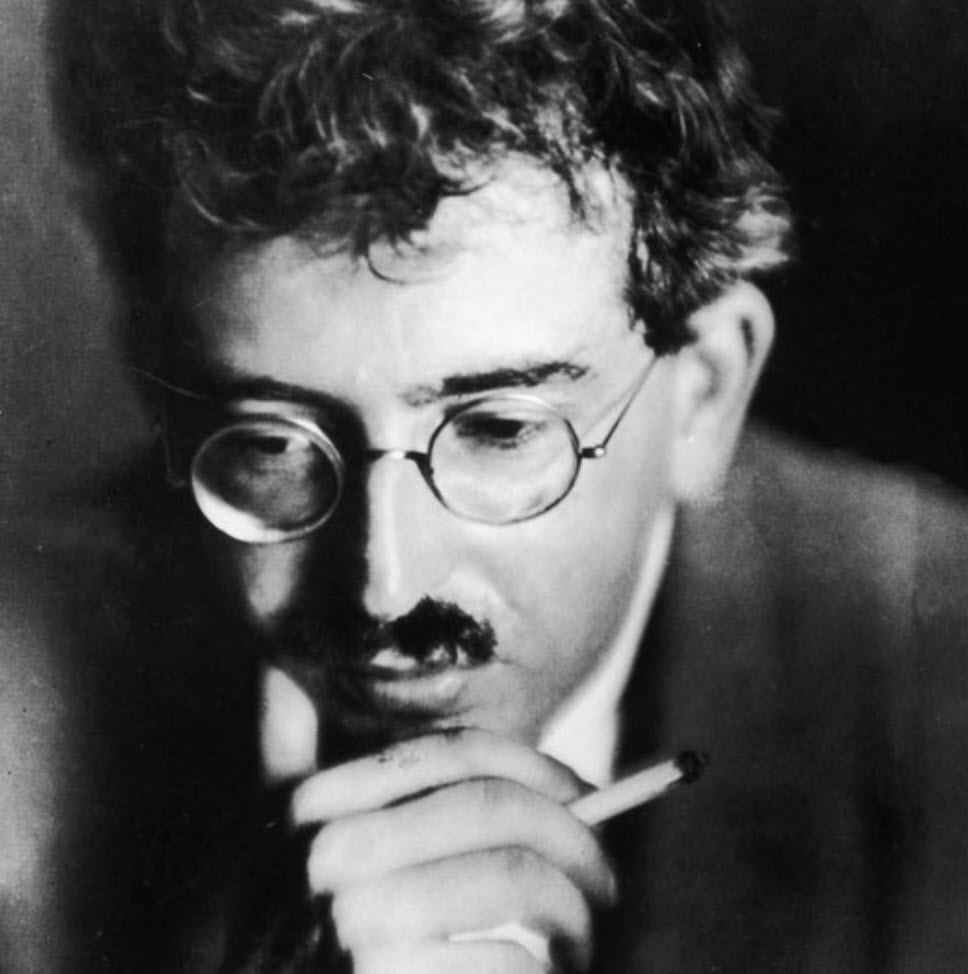
Walter Benjamin uses the example of the painting of the Mona Lisa to make the argument that mechanical reproduction depreciates the authenticity of a work of art, and it ends up losing its ‘aura’. Benjamin explains that the aura is explicitly linked with the presence of the original work of art and with the ‘uniqueness of the place in which it happens to be’ (Crimp, 1980:94).  Photography is seen as the mechanism by which reproduction occurs.

Crimp counters that the post-modernist era is not about uniqueness and authenticity, but rather about the sharing and democratizing of art. With regard to Benjamin’s view on the loss of the Mona Lisa’s ‘aura’, Crimp puts forward that if we live in an age of reproduction, it is inevitable that this notion of ‘aura’ will be lost, and it is futile to pretend that it is possible for art to maintain its status as original and unique.

Crimp (1980:109-112) identifies three kinds of presence. The first is the presence that comes from an observer seeing the art such as performance art where the observer is necessary for the art to exist, the presence that comes from representation of the object that is now absent, and the presence of someone/something that goes beyond their physical presence (albeit at times using reproductive technology which add a further complexity of the second and third kind of presence actually being absent). Crimp claims that it is this third kind of presence that is associated with photography and postmodernism.

It is a bizarre relationship in that a photograph may copy a ‘work of art’ and what you are left with is the presence of a photograph, which is a copy of a thing that is now absent because that moment in time when the photograph is taken is now in the past.

Returning to the notion of art having an ‘aura’, and photography somehow diminishing this aura, Benjamin did acknowledge that the people in some photographs had an aura, but only those that were taken before 1850 and the onset of the commercialisation of photography. He ascribed this aura not to the presence of the photographer, who he saw as a technician, but rather the long exposure times and the fact that most people being photographed at that time would have been from the upper classes and that there was a ‘spark of chance’ that the photograph would capture some uncontrolled intrusion of the reality of the person. This was the opposite of how he saw the aura of painting, which he believed was created by the skills and techniques of the painter (Crimp, 1980:95).

Crimp discusses the works of postmodernist photographers how they questioned the museums assertions about authenticity, originality and aura. They claimed that their works displaced the aura. ‘These images are purloined, confiscated, appropriated, stolen.  In their work the original cannot be located, is always differed’ (Crimp, 1993:98).

The essay gives a number of examples of this postmodernist approach to photography that explores the idea of displacing the aura. Sherrie Levine rephotographed photos that were originally taken by Edward Weston of his son. She took the photos from a poster of the published by the Witkin Gallery. One of the points she was trying to make with this exercise is that the absence of the original is what allows representation to take place and she had taken it to an extreme (Crimps, 1980:98). Personally, I find it hard to appreciate this work. Possibly the context does add some value, but at face value, it photographs of photographs without any creative input.

Overall, the essay was interesting because it elaborated a key difference between modernist and postmodernist approaches to art, and the influence that photography had on discussion of authenticity versus reproduction and the value that is placed on both.

I am struggling to relate this essay to my practice which is rooted in narrative film. The essay did make me think about what criteria my film would be measured against to determine if it had value; would it be based on its educational effectiveness, or its ability to entertain and tell and story.

Reference:

Crimp, D. (1980) ‘The Photographic Activity of Postmodernism’ In: October 15 pp.91–101.